A key step to making effective and grounded designs
Research, Reference & Character Design02
Research & Reference//Rationale
When we are tasked with a design brief, it is essential that we both research our brief and gather visual references to support our design process.
The research step is us finding key conceptual information on the material we are going to be working with. These can be things such as: History, Culture, Philosophy, Symbolism etc. This step is a big part of what leads to design solutions that feel grounded in the world they exist in
The reference step is the process of gathering imagery to establish a visual vocabulary for your design. Whilst this can be a research process in its own right, the goal here is compiling visual references to support your work into a reference board or mood board.
Research, Reference & Character Design03
Research & Reference//Reference Board Example
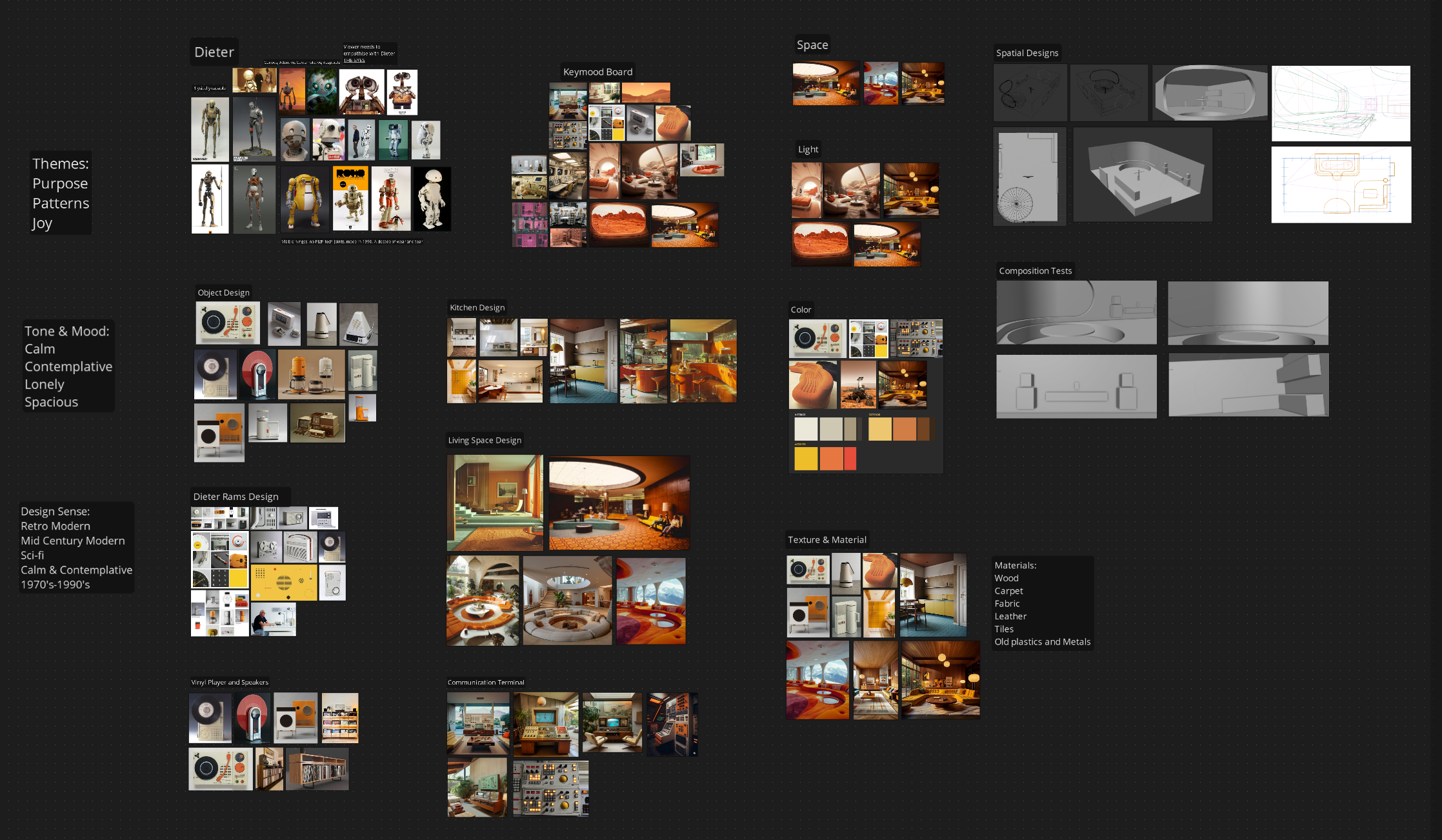
Here is an example of what a reference board or mood board could look like.
Research, Reference & Character DesignReference Board 04
Research & Reference//Process
Let's take a look at a case example where we are designing for the Edo period in Japan during the 1650s.
The process here is to answer some foundational questions on the brief topic. In this case that would mean establishing the time, place and culture by answering some questions such as:
What are the leading cultural ideas or philosophy of this period?
What is the visual language of this period? Are there common shapes, design senses or forms which are often used?
What materials are things made from in this period?
How are they made?
What was the fashion of this time?
Is there a specific colour palette associated with this period?
Research, Reference & Character Design05
Research & Reference//Culture
Neo-Confucianism as Dominant Philosophy
A rationalist, humanistic philosophy emphasizing that humans could understand the universe through reason and create harmony between themselves and the world.
Bushido and Samurai Culture
With peace prevailing, samurai transitioned from warriors to educated administrators, formalizing their moral code (bushido) and studying literature, philosophy, and arts like the tea ceremony alongside martial training.
Isolationism and Self-Sufficiency (Sakoku)
Japan closed itself off from the outside world in the 1630s-1640s, limiting contact to controlled trade with China and the Netherlands. This isolation fostered a distinct Japanese cultural identity and internal focus.
Research, Reference & Character Design06
Research & Reference//Visual Language
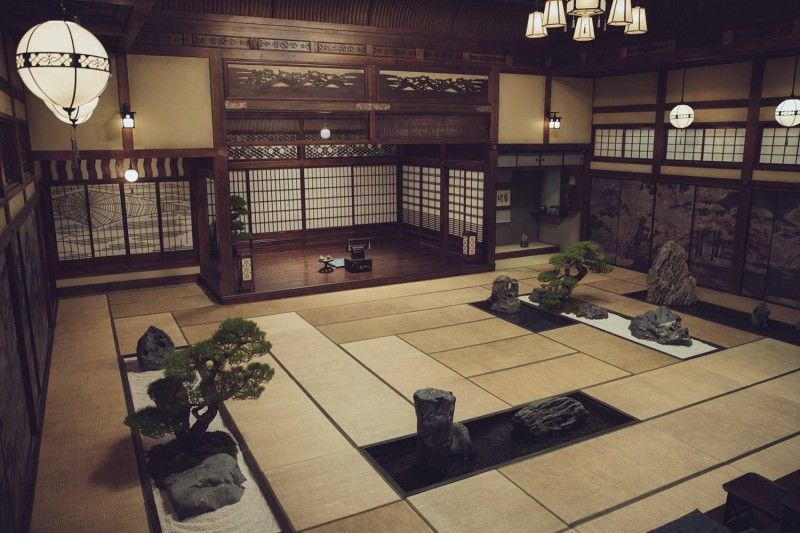
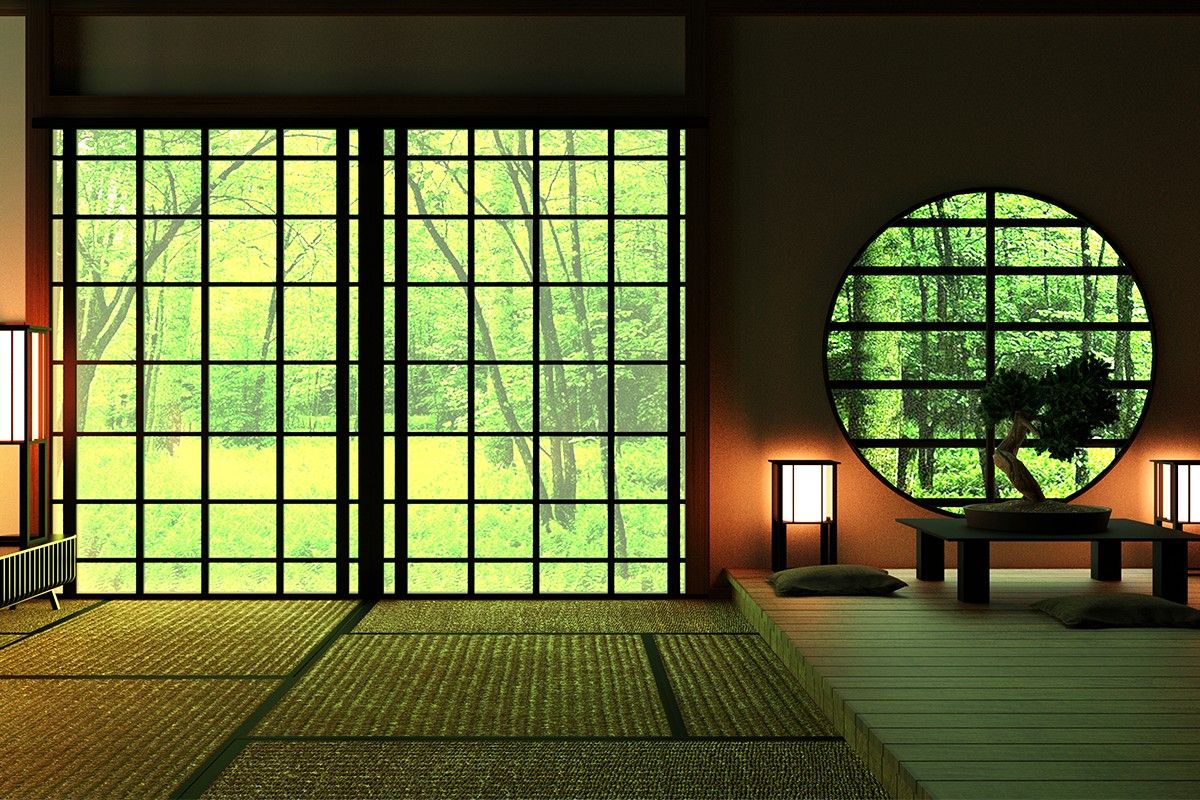
Rectilinear and modular design: example being tatami mats and shoji screens.
Research, Reference & Character DesignTatami Room With Bonsai 07
Research & Reference//Visual Language
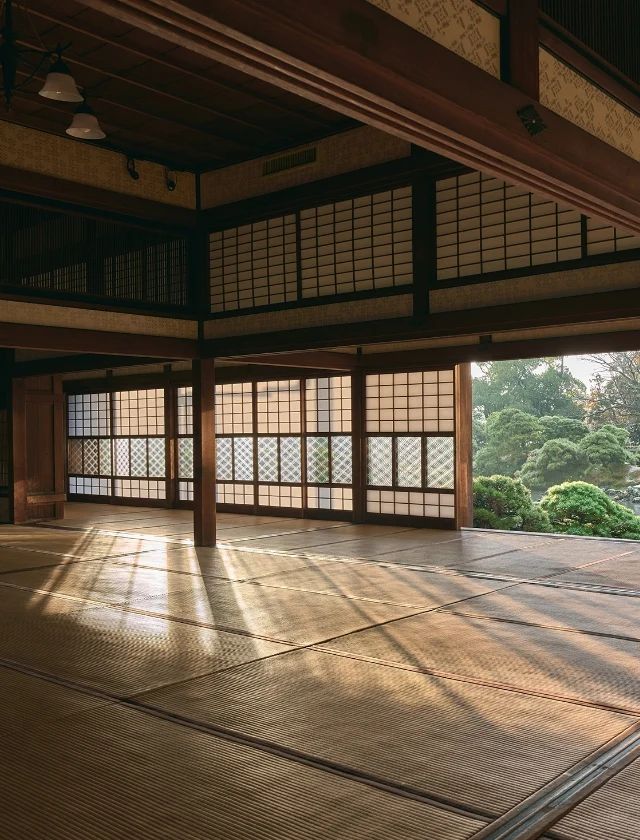
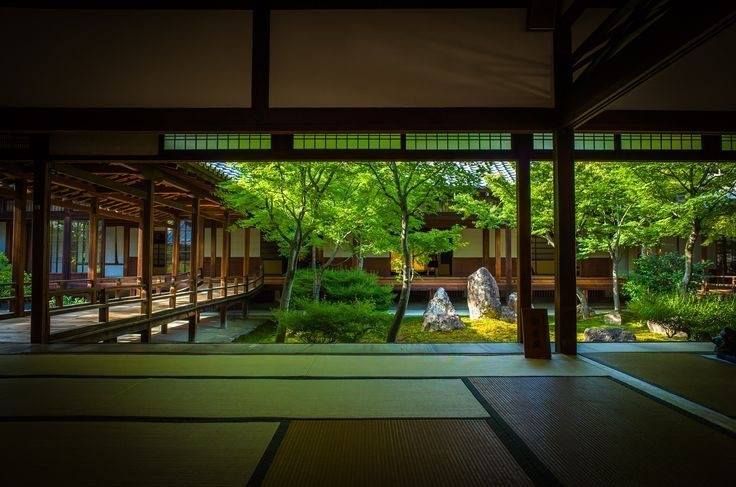
Horizontal emphasis: low furniture and horizontal lines dominated, connection to the earth and nature.
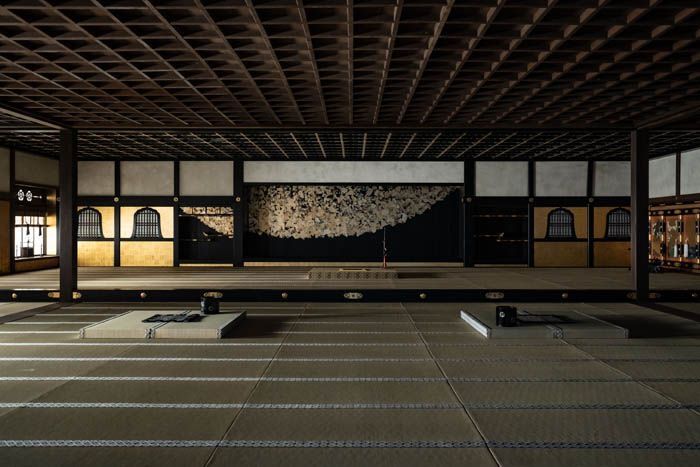
Research, Reference & Character DesignHall With Tatami And Coffered Ceiling 08
Research & Reference//Visual Language
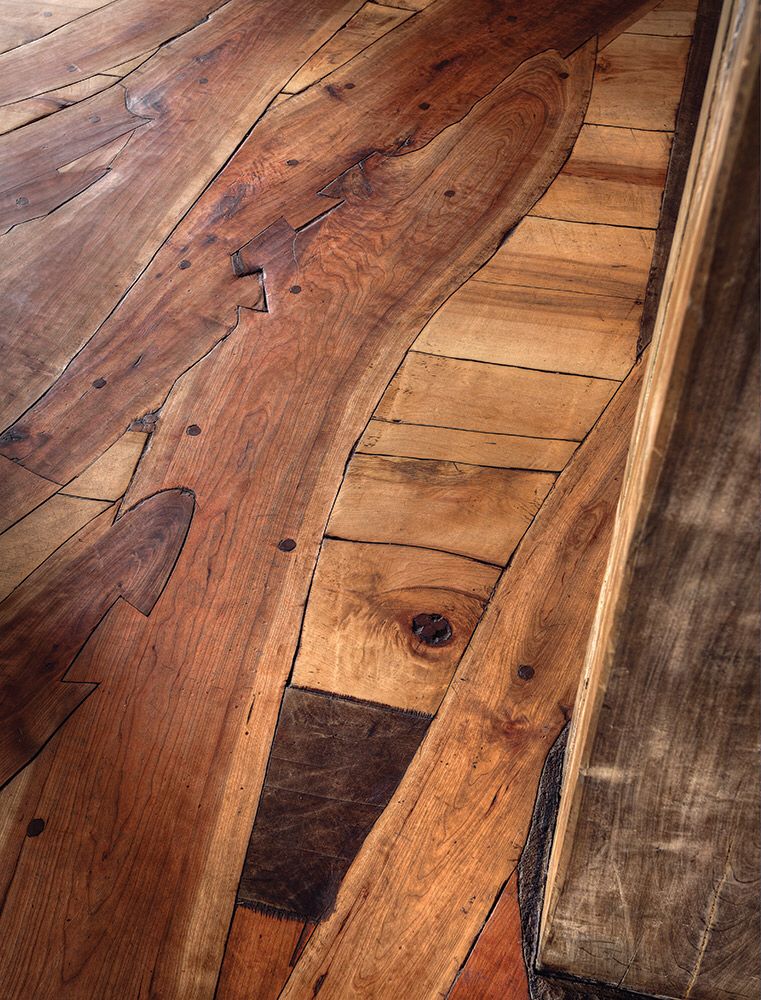
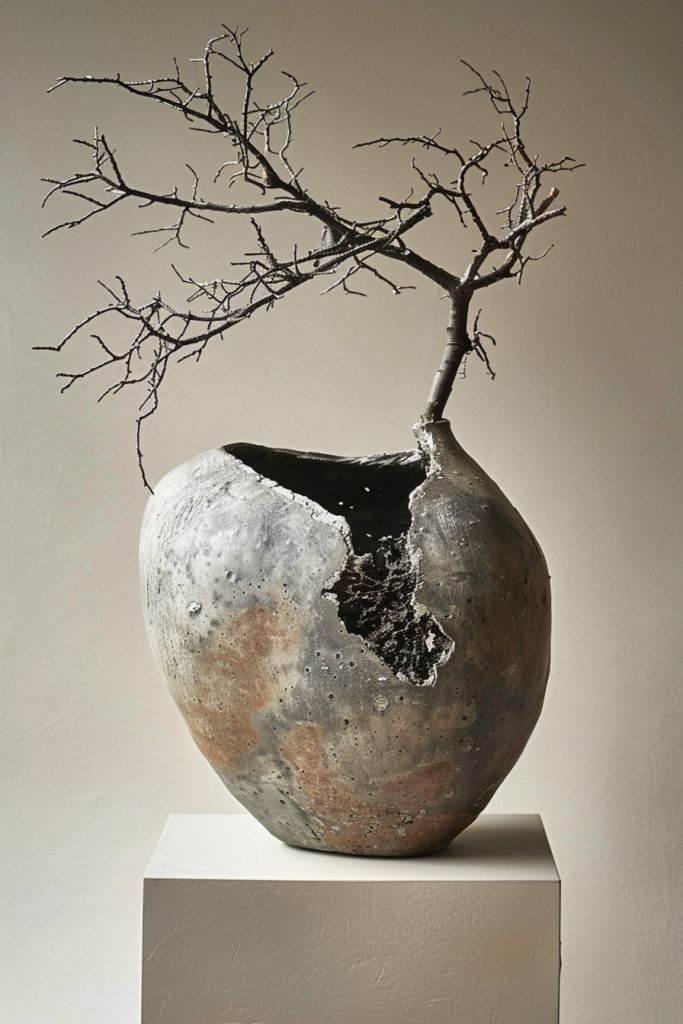
Simplicity and restraint: Wabi-Sabi. Minimalism. Harmony with Nature
Research, Reference & Character DesignWood Plank Floor 09
Research & Reference//Materials
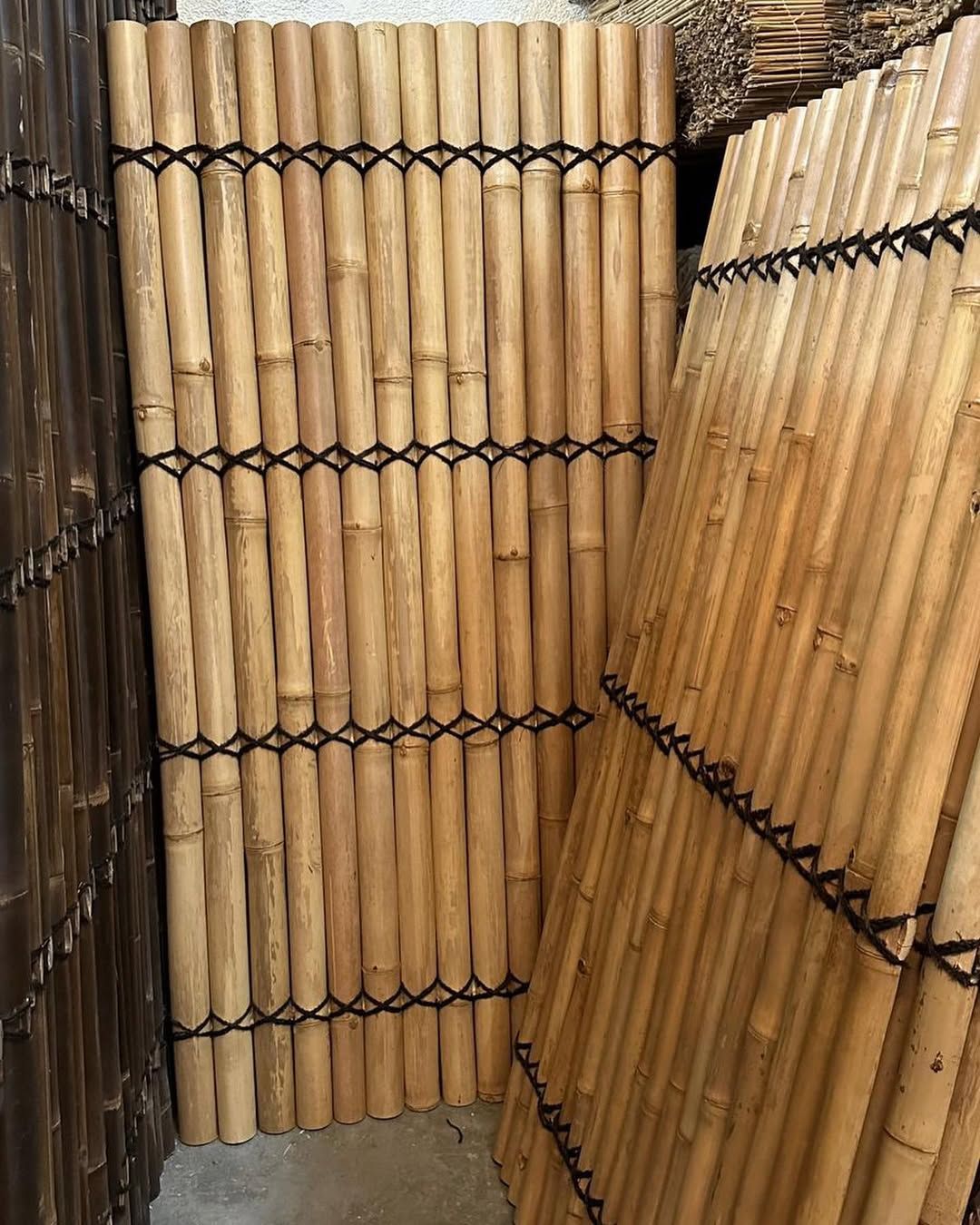
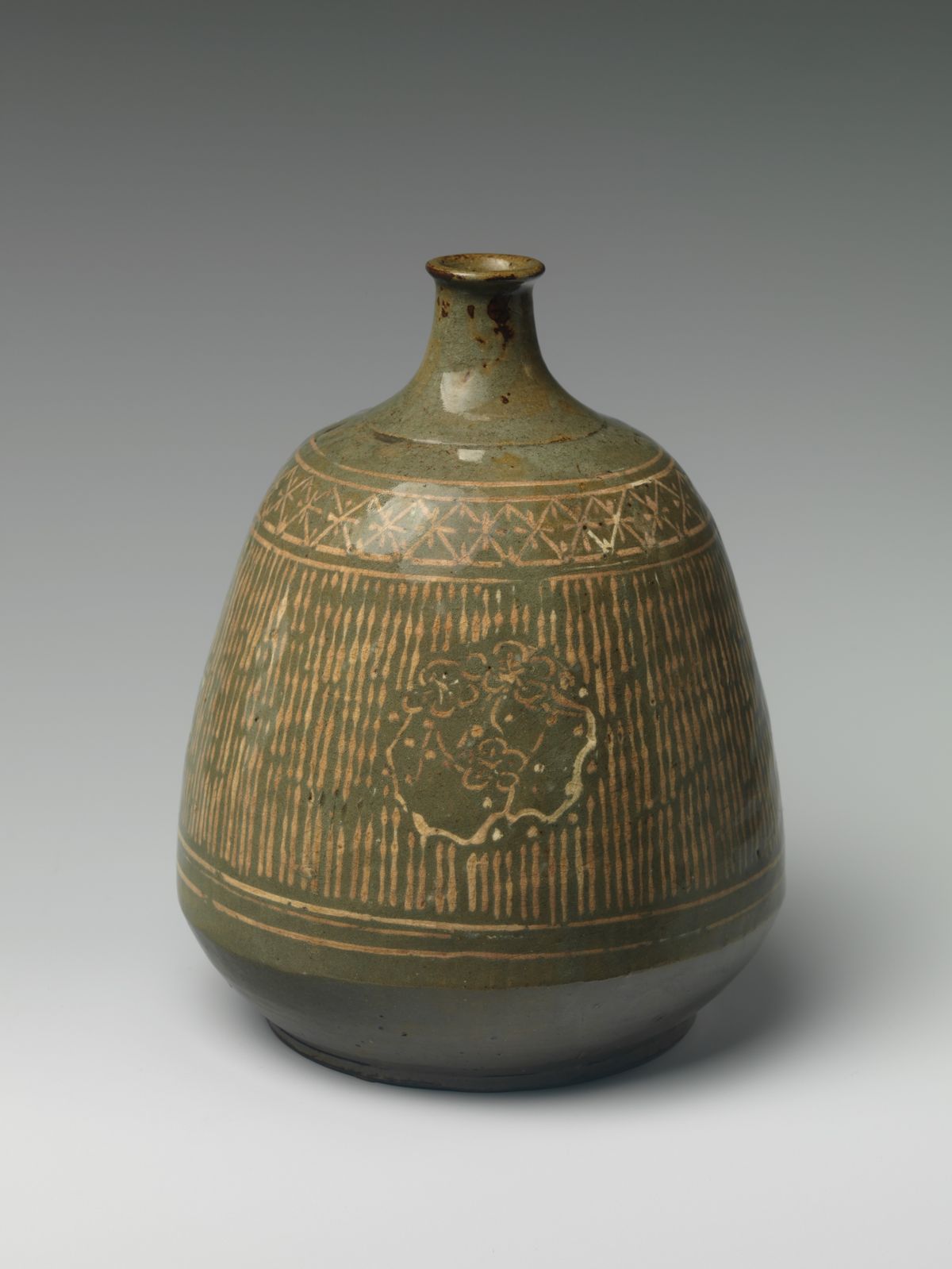
Natural and local materials. No foreign trade. Clay, Wood, Metal, Bamboo, Ceramics, Porcelain
Research, Reference & Character DesignBamboo Fence 10
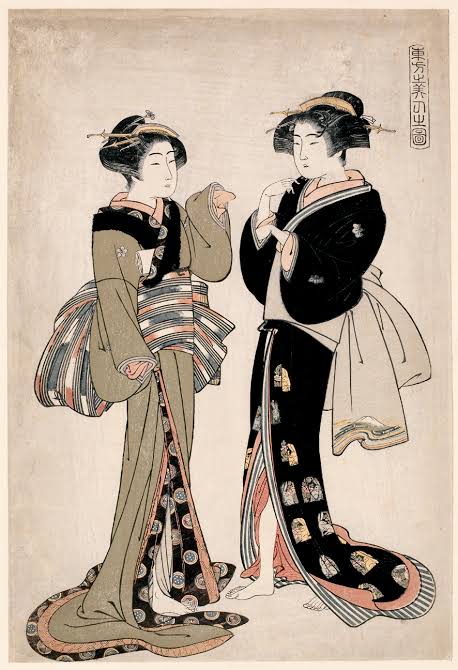
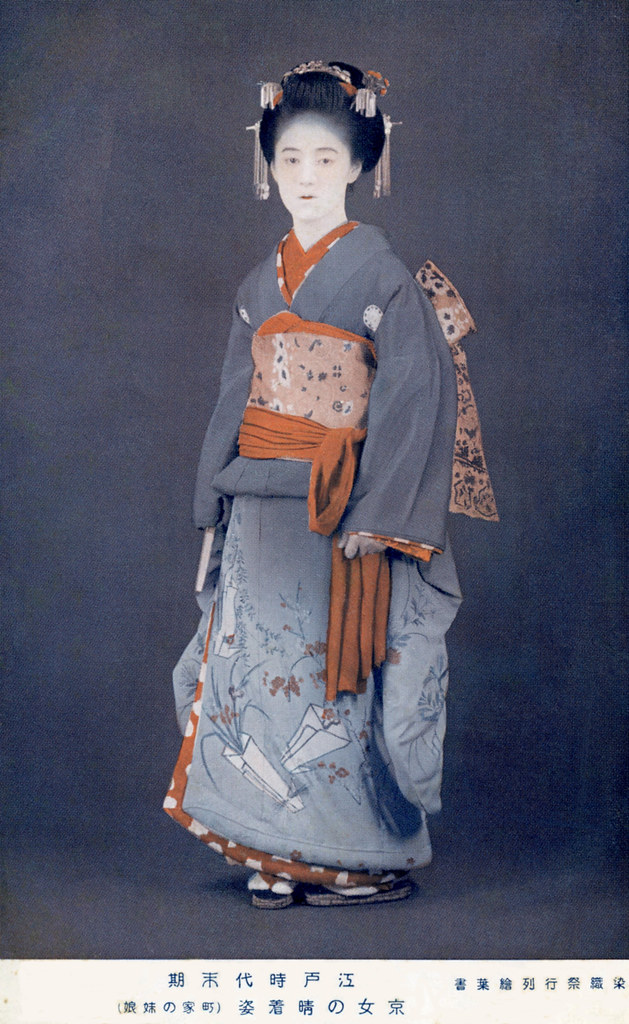
Research & Reference//Fashion
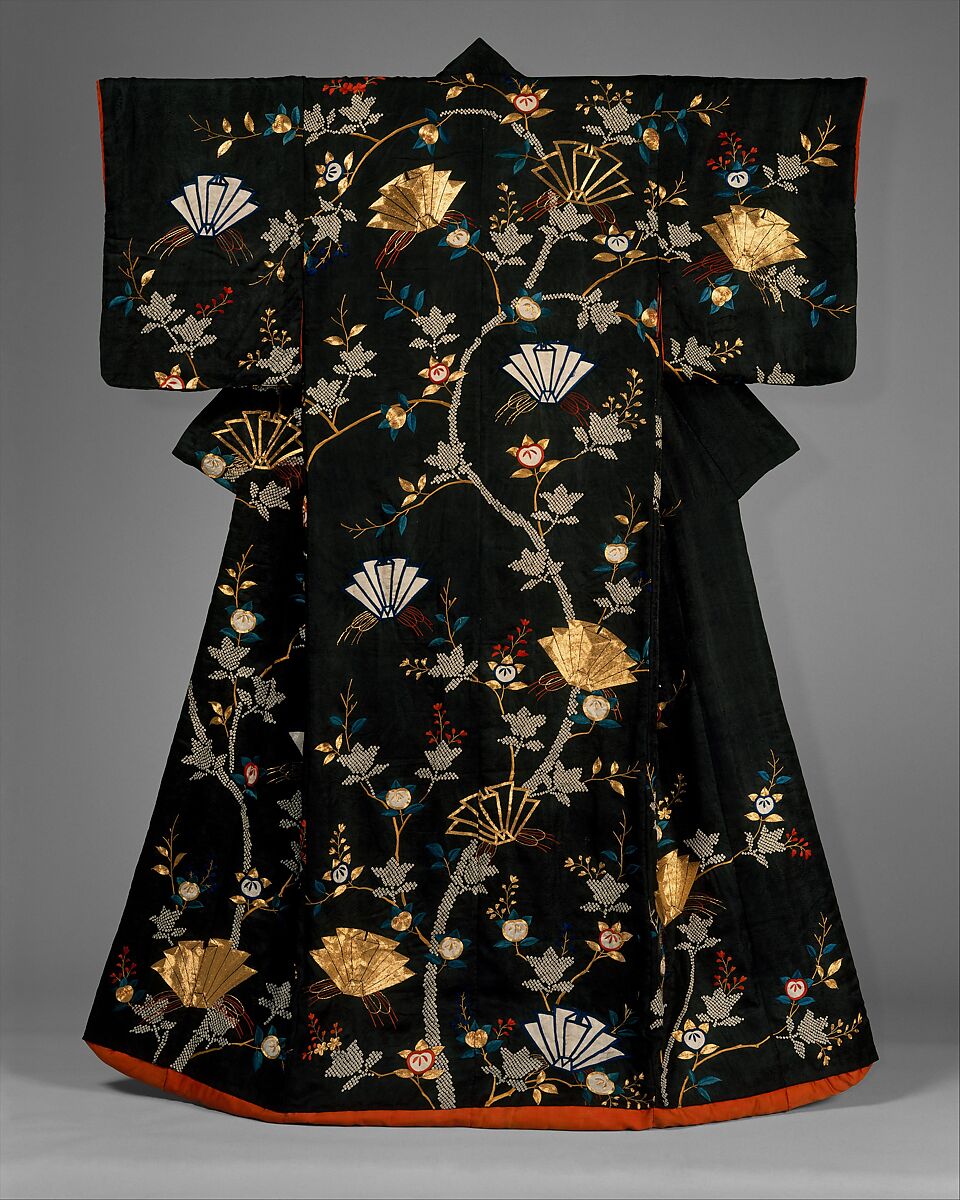
Almost everyone in the Edo period wore kimonos of different qualities and materials
Research, Reference & Character DesignEdo Fashion 11
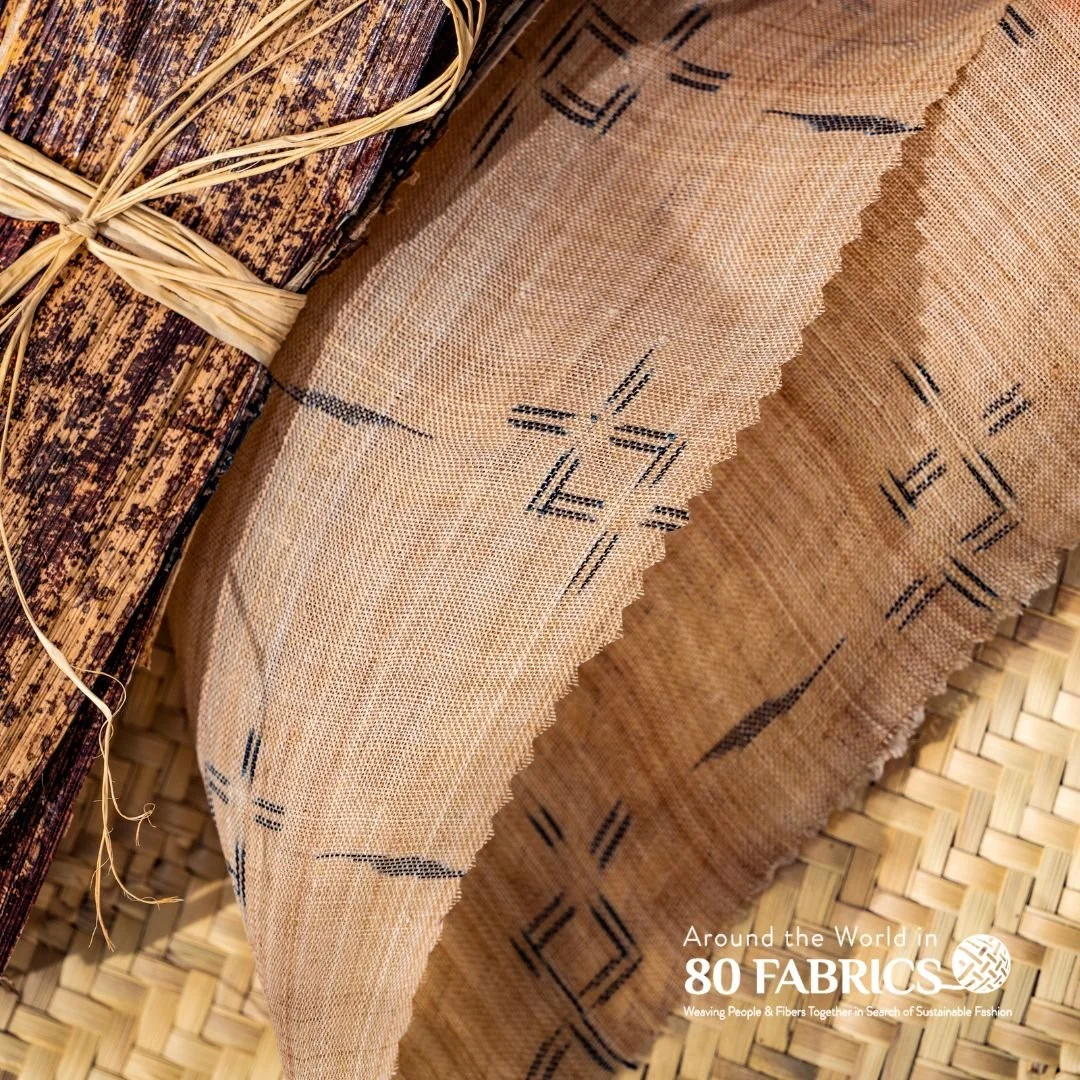
Research & Reference//Clothing Materials
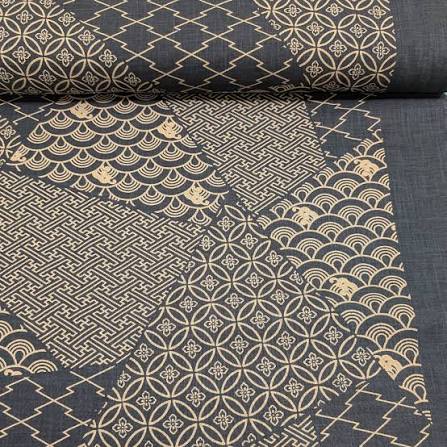
Bashofu (Woven Banana Leaf), Cotton, Silk
Research, Reference & Character DesignBashofu Fabric 12
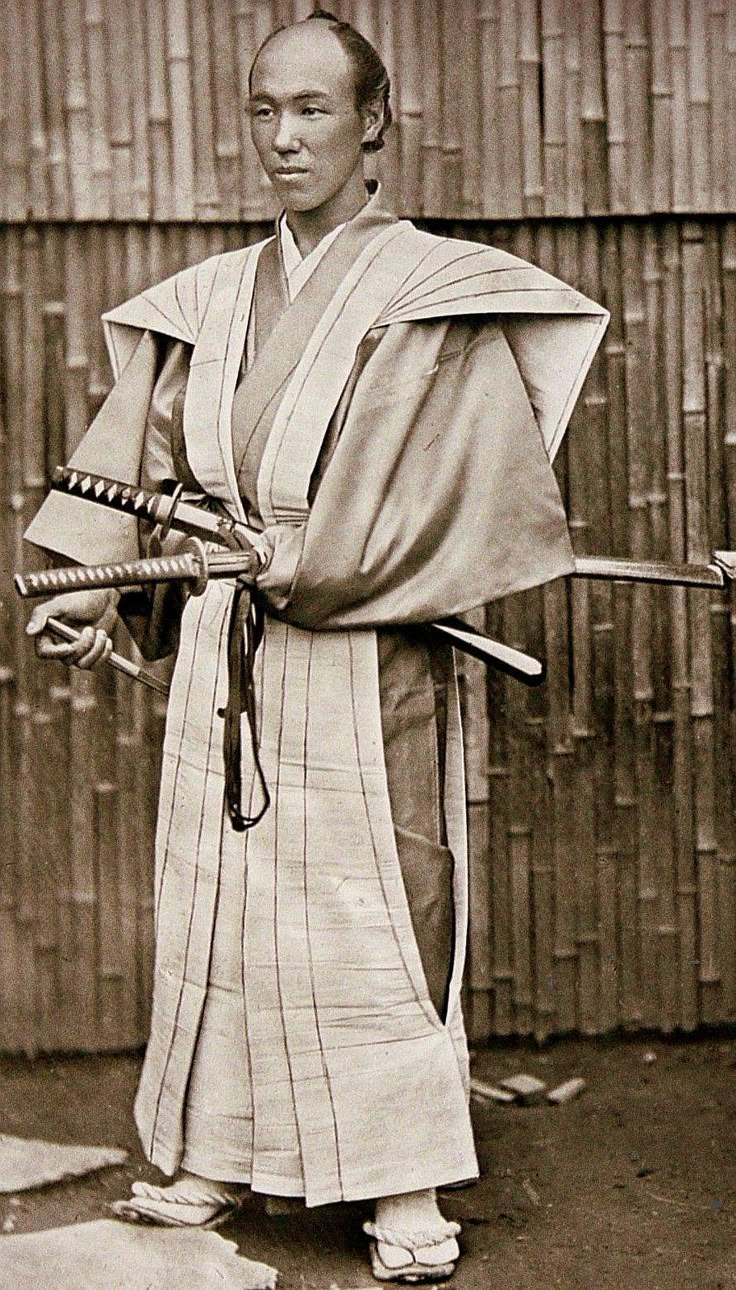
Research & Reference//Construction
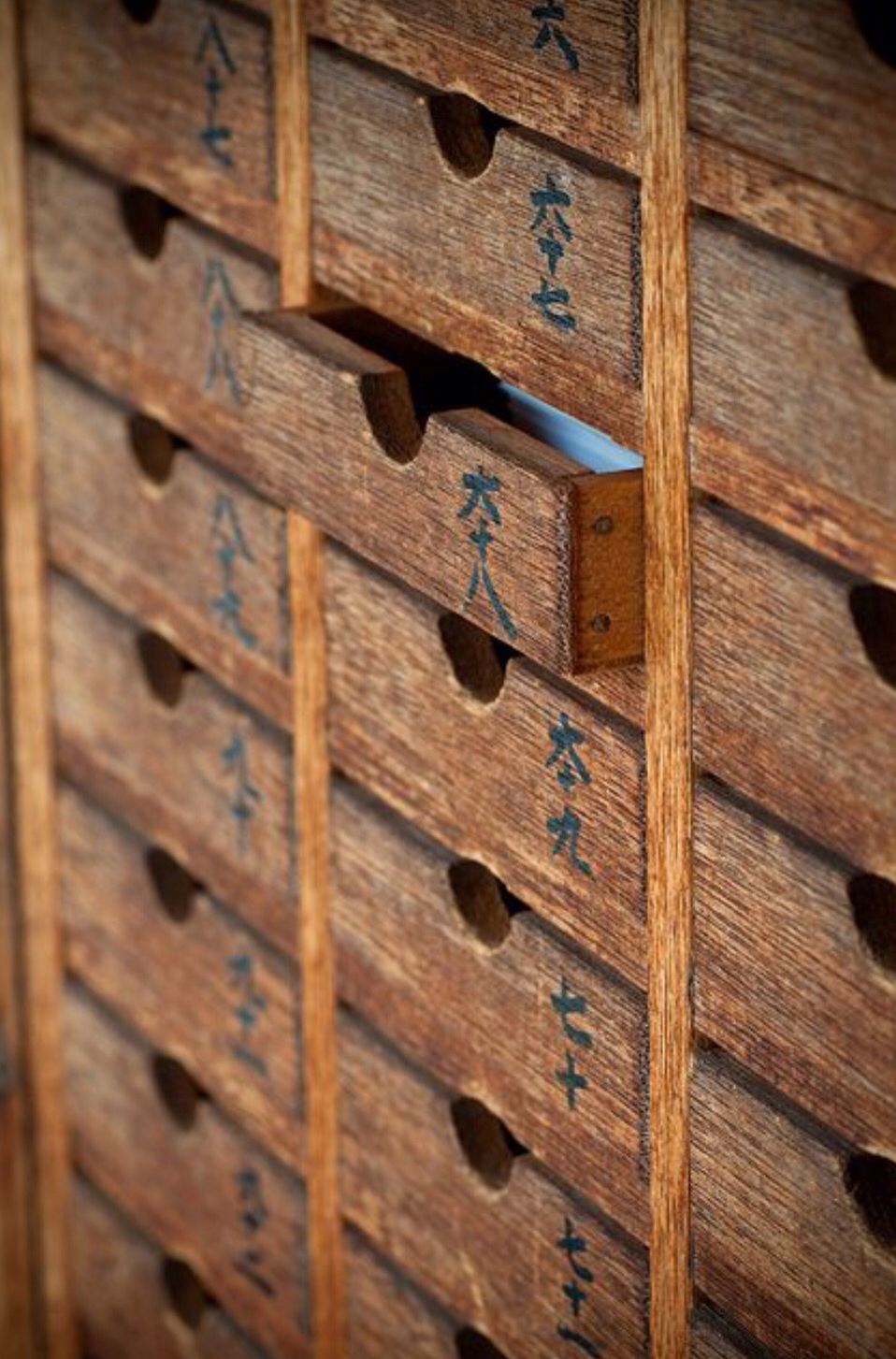
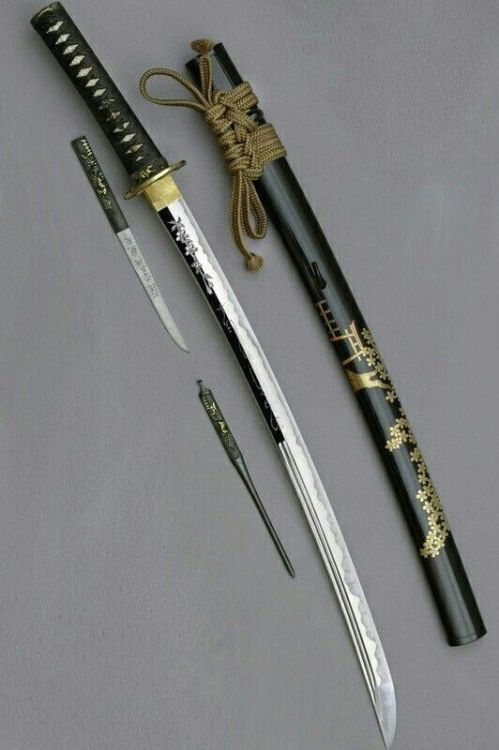
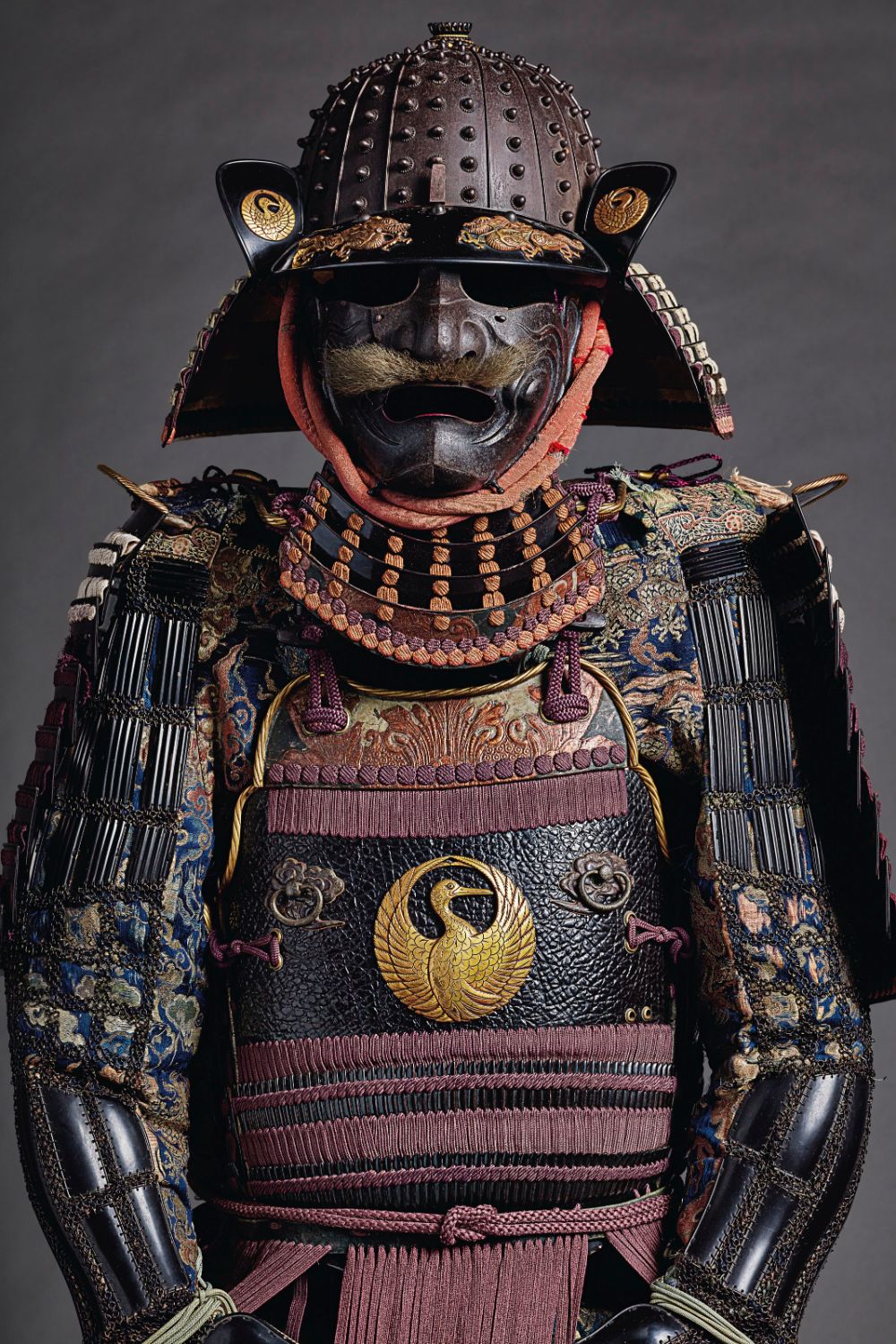
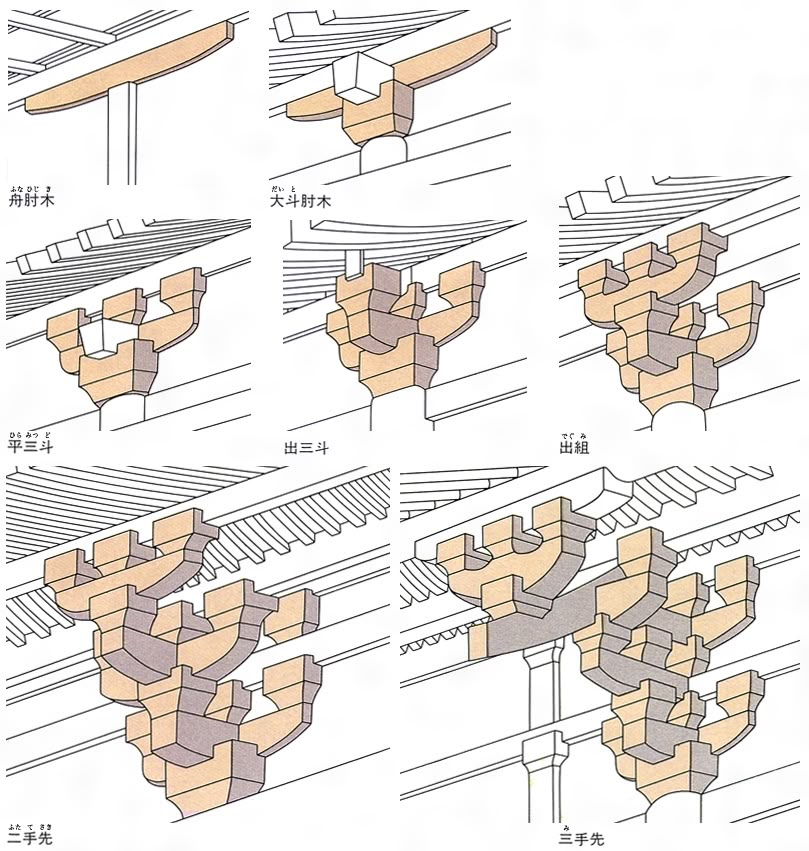
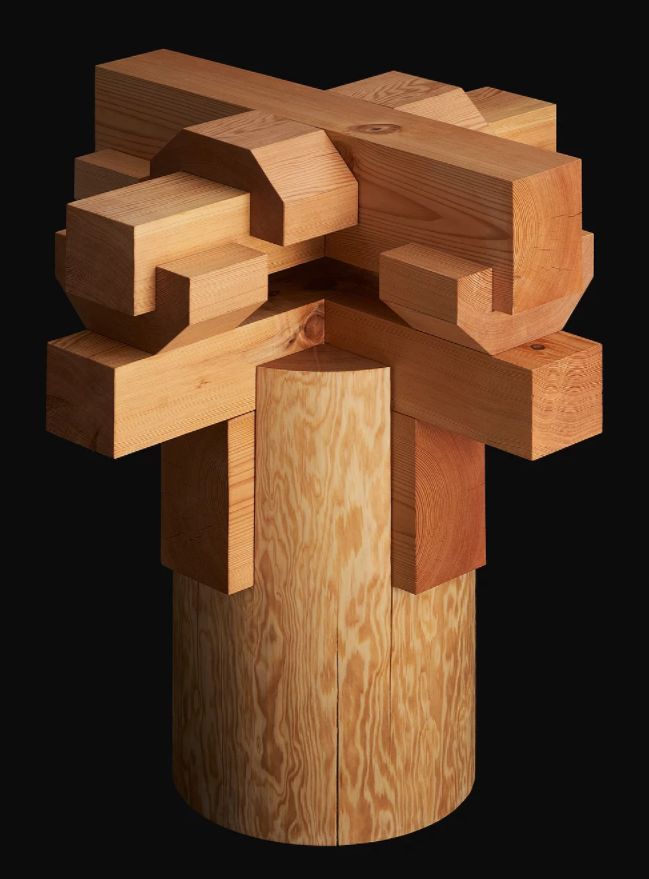
Wood joinery without nails. Modular and flexible construction. Metallurgy
Research, Reference & Character DesignSamurai Armour 13
Research & Reference//Colour
Finding common colours amongst the palette of your references.
Research, Reference & Character DesignColour Palette 14
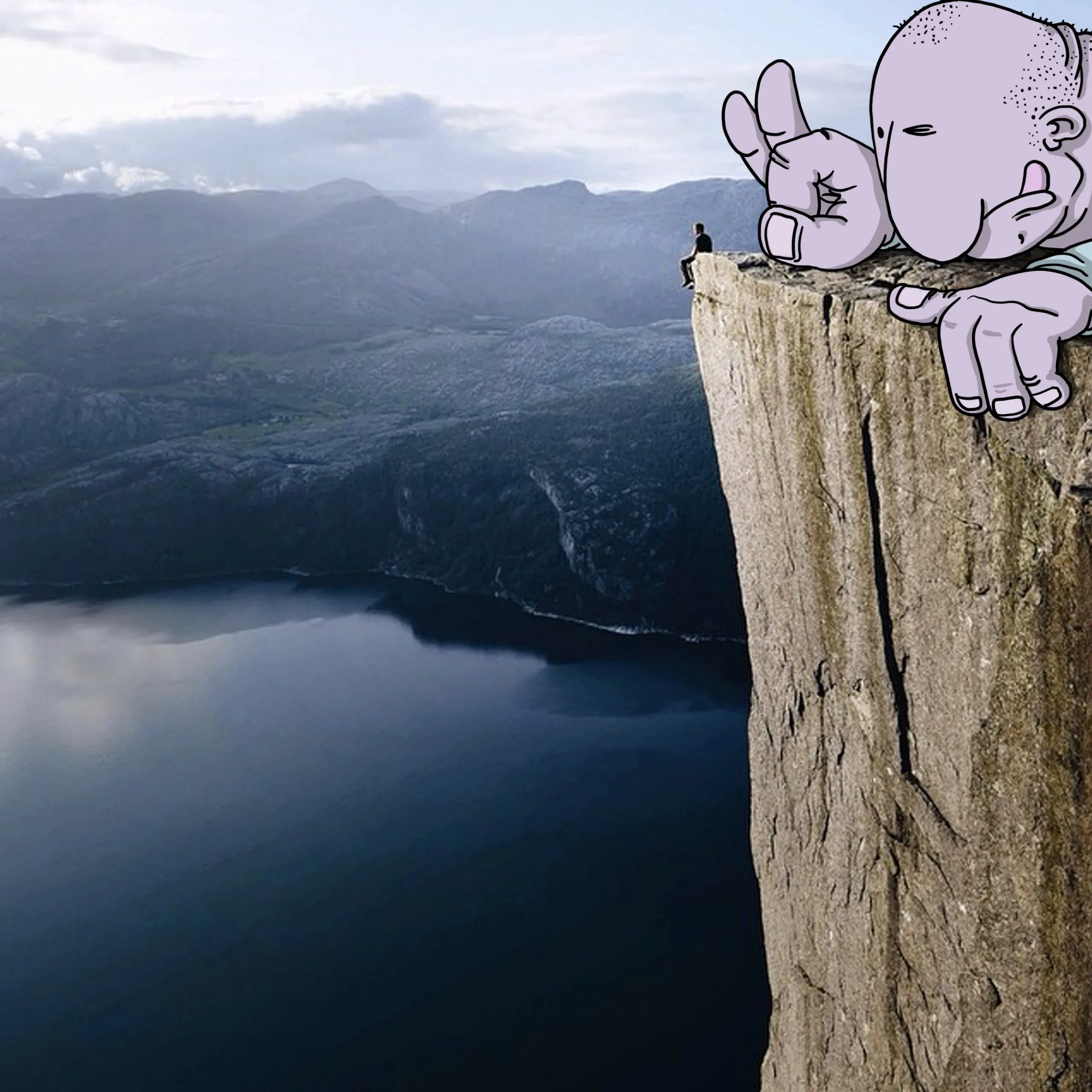
The Creative Cliff Illusion
The best ideas rarely arrive at the start
Research, Reference & Character Design15
The Creative Cliff Illusion//The Fallacy
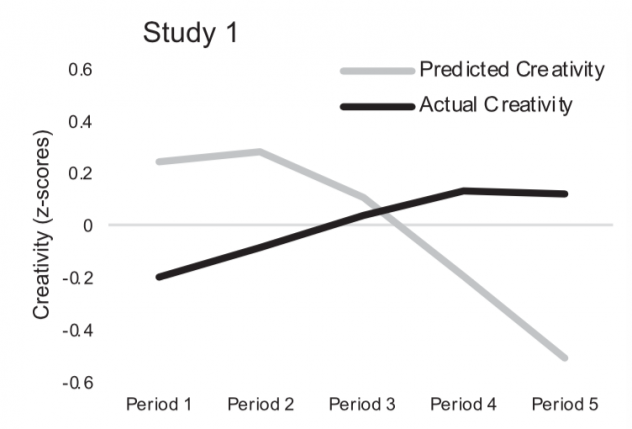
The Creative Cliff Illusion is a common fallacy that we all tend toward and experience.
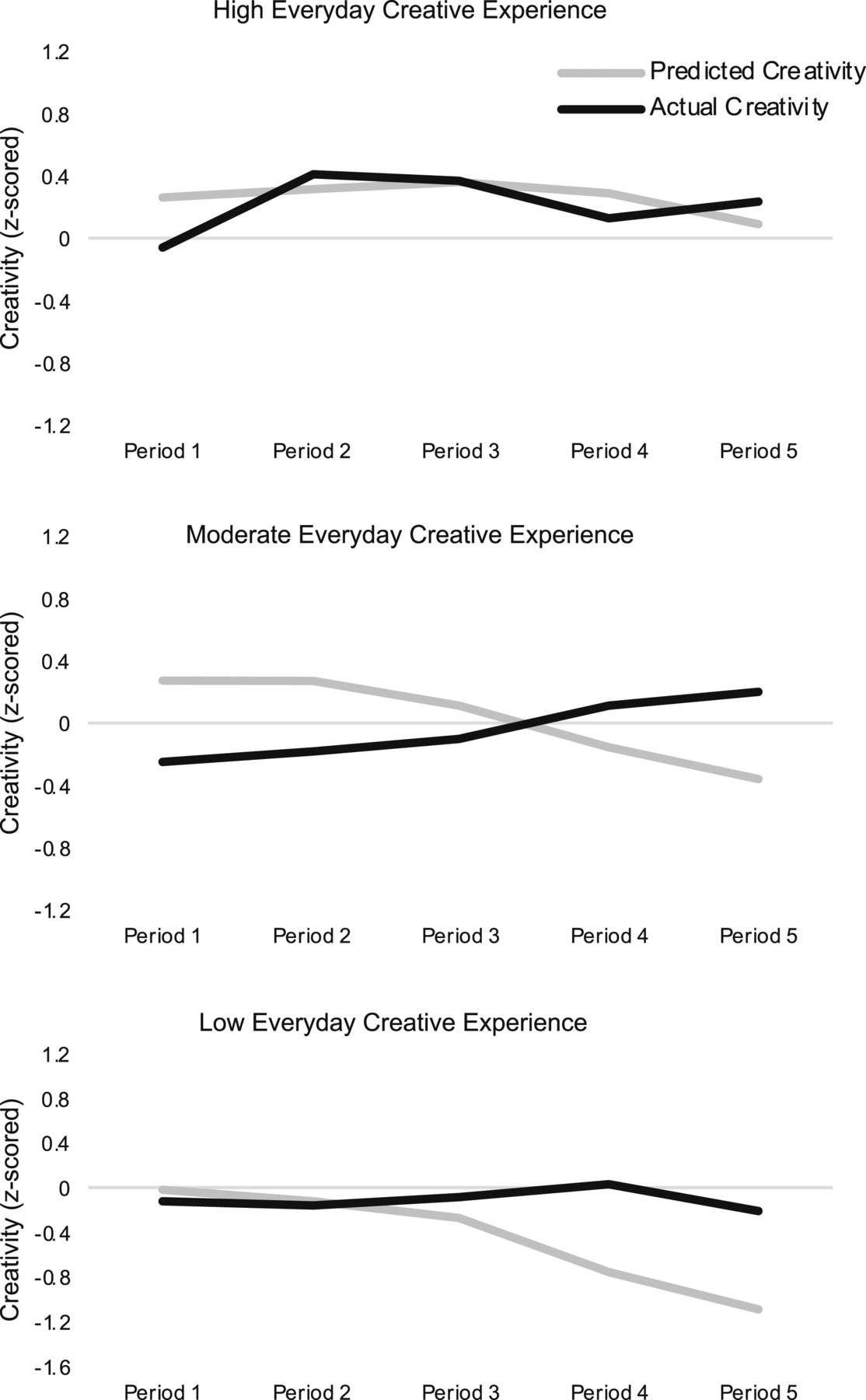
This is where we assume our best ideas come early on, or just not at all.
It's above and beyond the biggest mistake I see students make with their design process.
Research, Reference & Character Design16
The Creative Cliff Illusion//The Truth
And it's simply not true. In fact the exact opposite is the case.
Research, Reference & Character DesignCreative Cliff 2 17
The Creative Cliff Illusion//Example Design Process
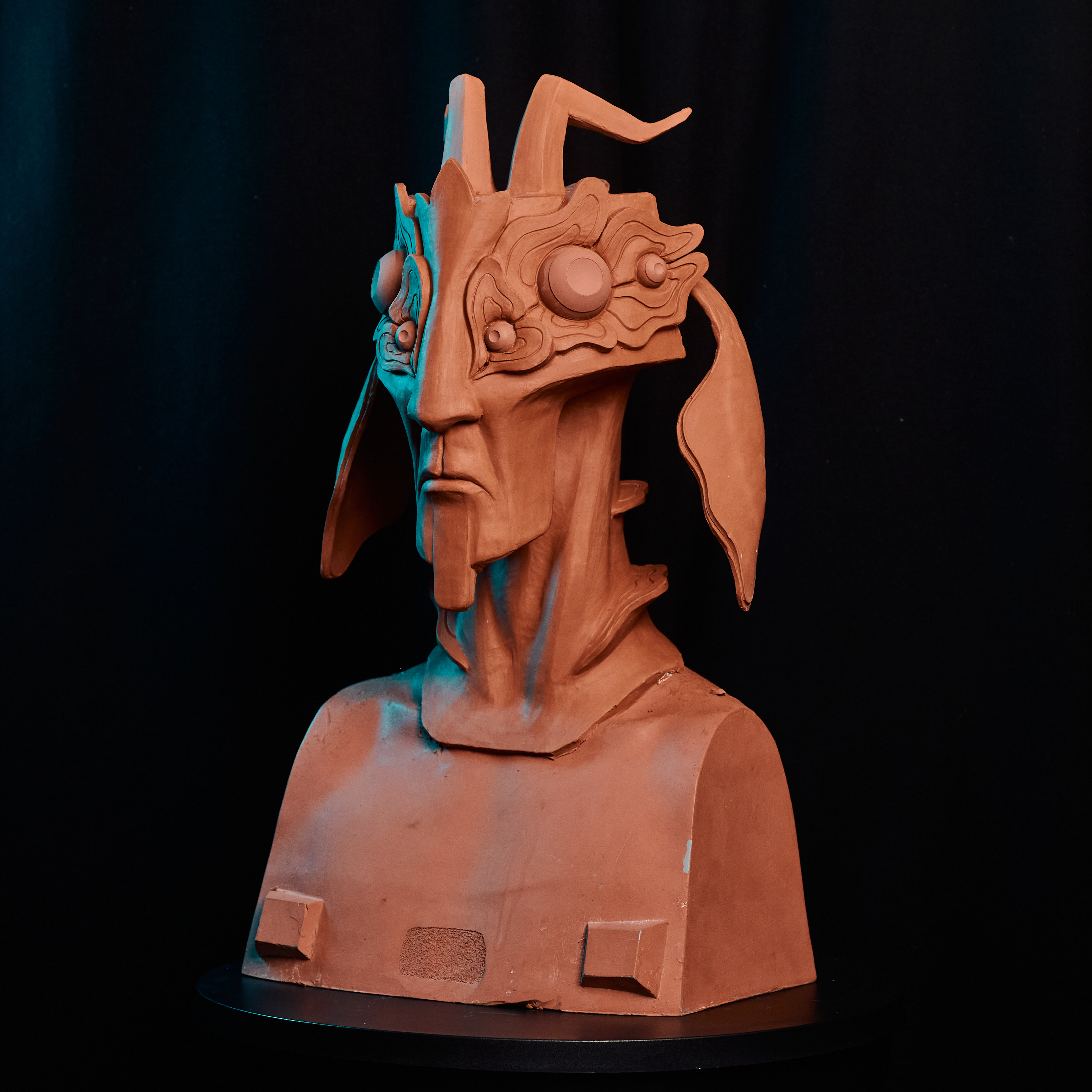
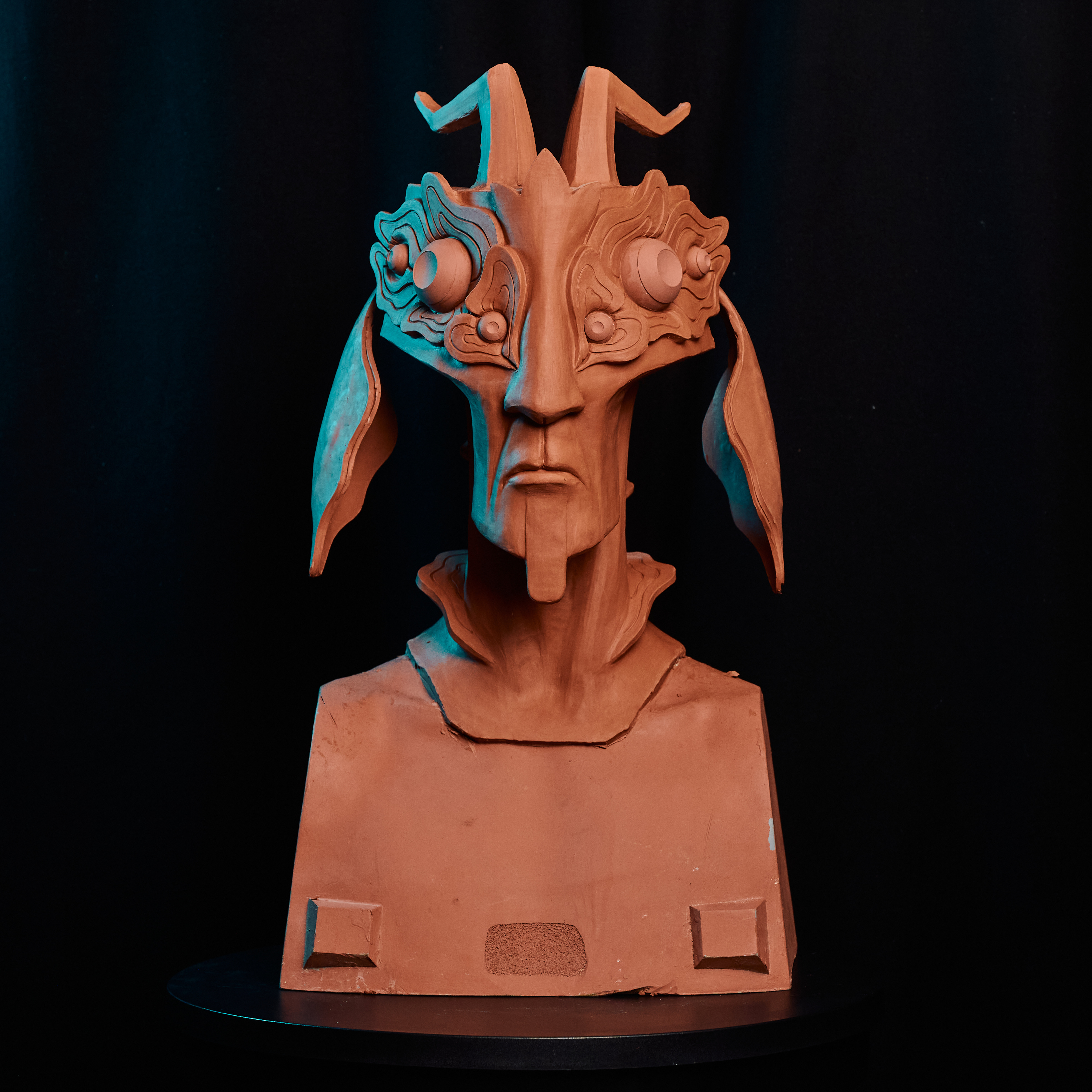
Research, Reference & Character DesignStiuideo Fia 0411 Simon Boyle Photography 20
The Creative Cliff Illusion//Going Forward
Your best ideas almost always arrive later on in your process.
So please make sure to give yourself the time to get there.
Even if you feel you aren't happy with the results at the outset, stick with it and the better ideas will come.
Research, Reference & Character Design21
Character Design
Design a character from a specific time
Research, Reference & Character Design22
Character Design//Overview
This is your final exercise of this module. It will be submitted alongside all of your other exercises in the final submission via Teams by 6pm Fri Oct 23rd.
You will each be assigned a unique character design brief. Each character will have an emotion and a specific period and place from which it comes.
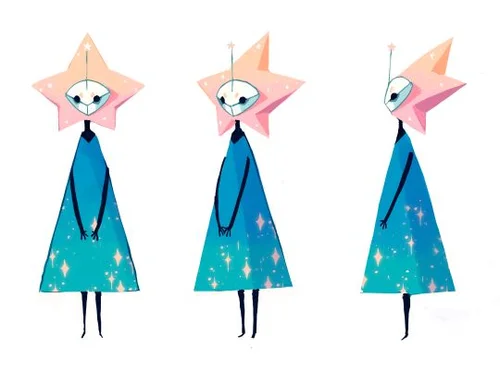
The final piece design should be formatted like a character model sheet, where they are seen from the front, side and ¾ view. Please use linework and colour where necessary to render your final designs.
Both digital and traditional means of creating designs are fine. If using traditional, please make sure to photograph your work well.
Research, Reference & Character Design23
Character Design//Example
Character Model Sheet Example
Research, Reference & Character DesignCharacter Model Sheet Example 24
Character Design//Weekly Assignment #5
For next week you are to create 5 different silhouette designs for your character. Please lay them out horizontally on the same digital document or page.
Please be mindful of the following as you set about your exercise:
Shape language: Larger forms down to smaller details. What shape language communicates your brief the best?
Silhouette: Is the silhouette clear and readable?
Research: Aesthetic, Materials, Means of Construction.*
Reference: Gather references to expand your visual vocabulary
Research, Reference & Character Design25
* If your character is thousands of years old, please feel free to get inventive here
Character Design//Resources
A great free piece of software for creating moodboards. Download the portable version for running on College computers.