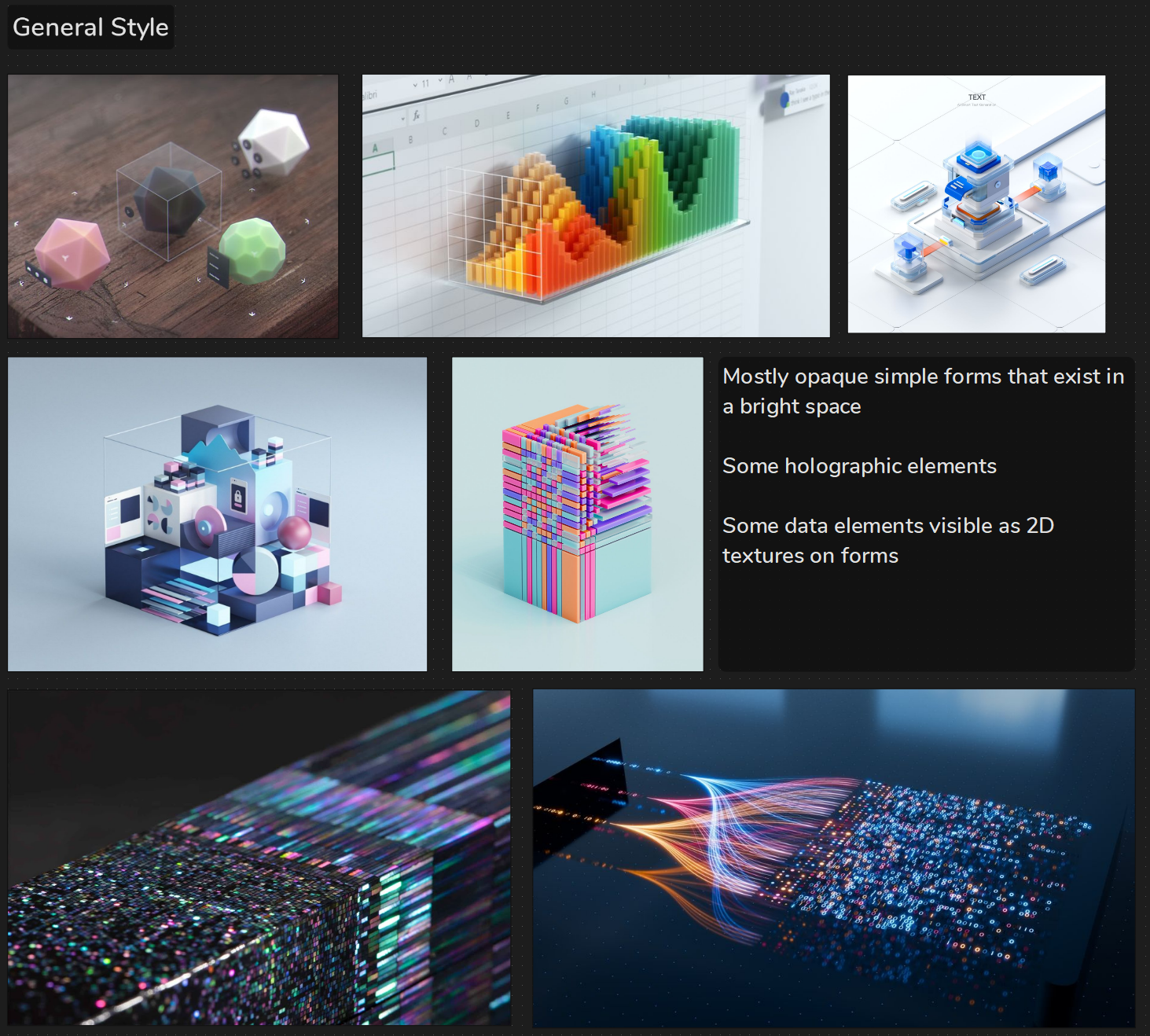
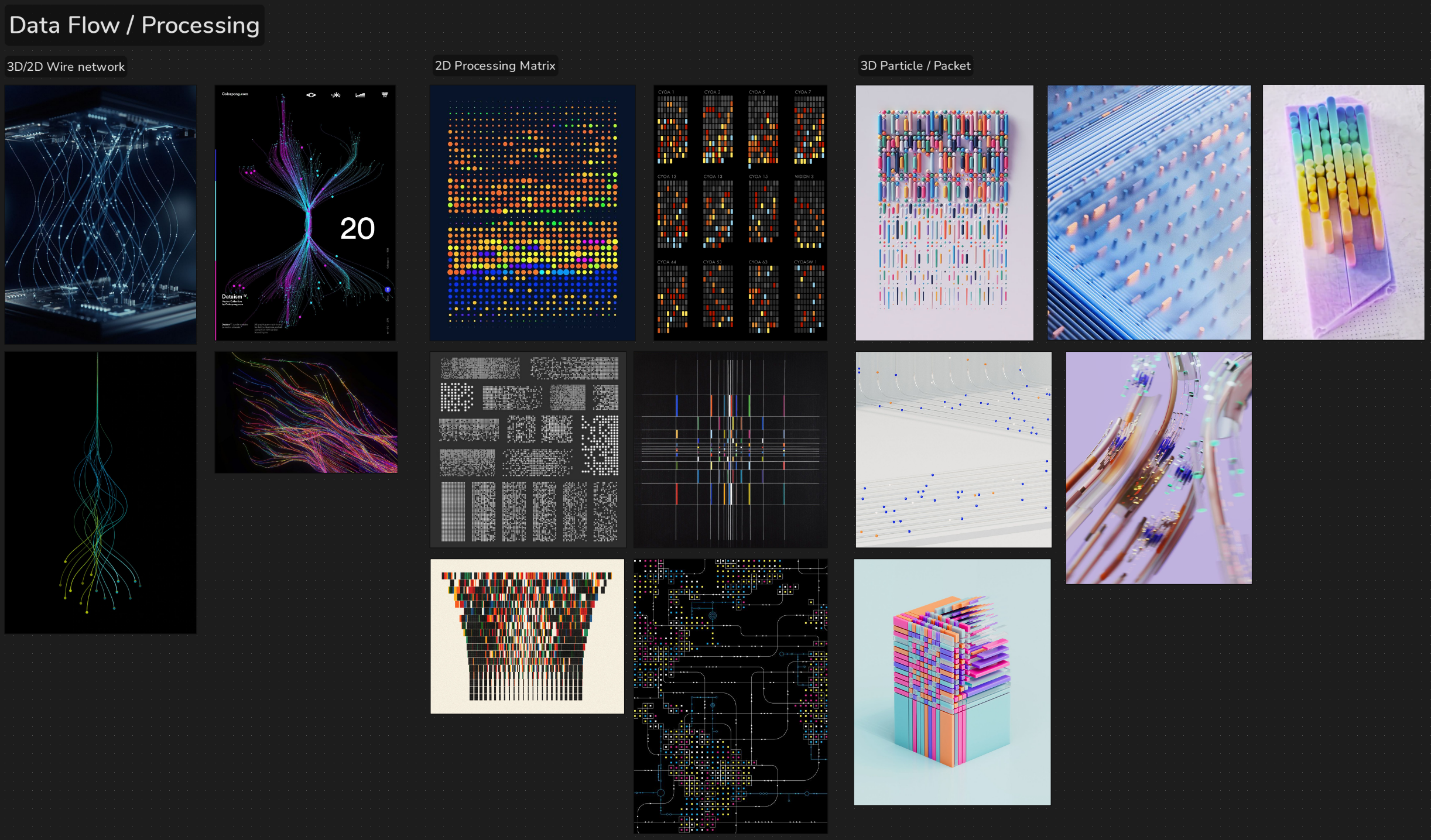
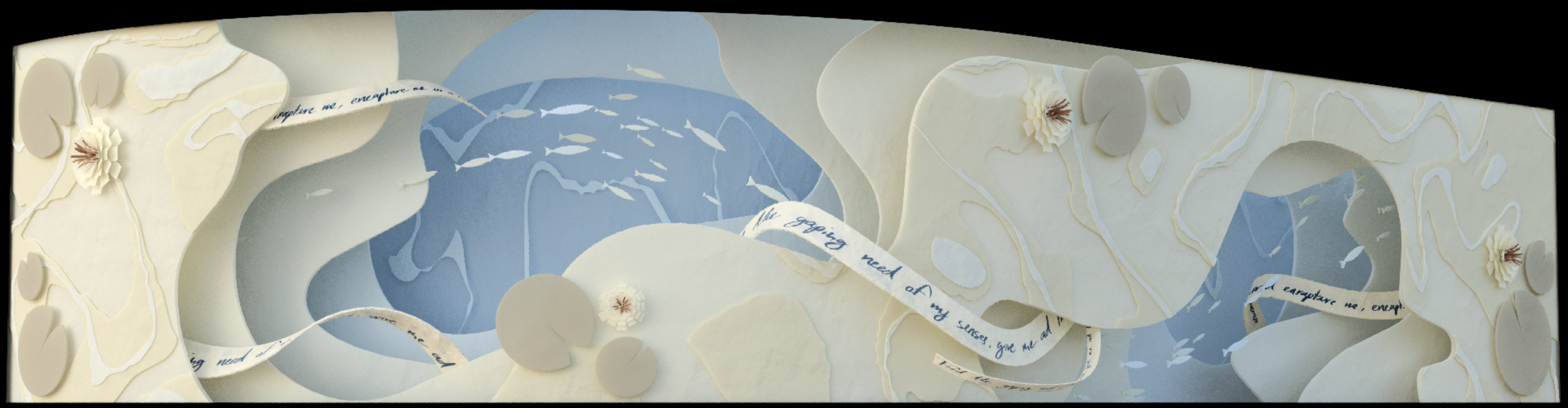
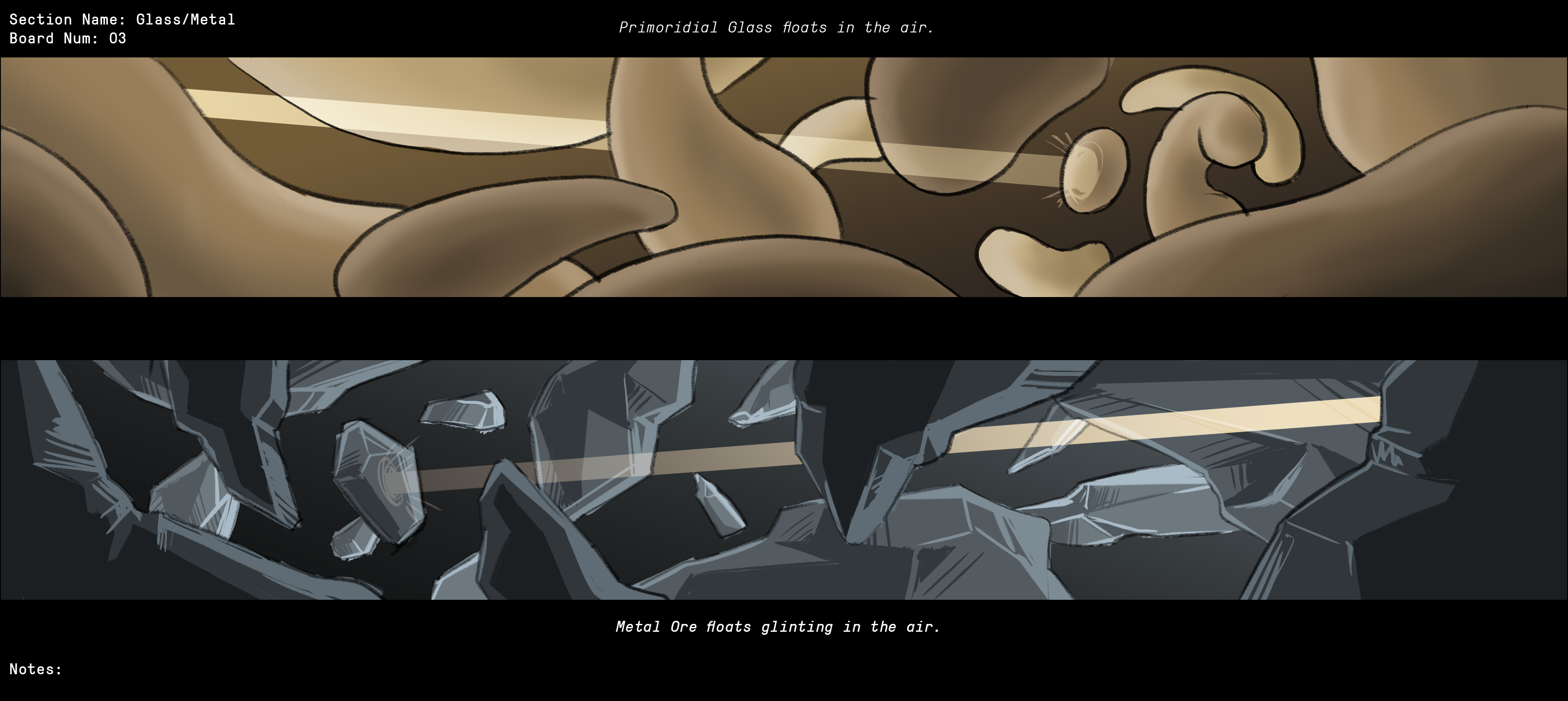
Art direction is the overall visual approach to a piece of work: the decisions we make to shape each image toward a specific story or goal.
An art director establishes the look, the rules and the reasons behind them, then makes sure they are carried through design, colour, camera, motion and everything else on screen.
It exists wherever images are made with intent: film and animation, games, brands and commercials, music videos, exhibitions and live events.
Let's take a look at some of the things an Art Director will consider before looking at some examples.
Overview, Components, and Project Roadmap
Over the next six weeks, you will first conceive of a project of your own creation, which is for a sub-1 minute short animated 3D film. Based off of this project, you will then proceed to create a visual treatment document.
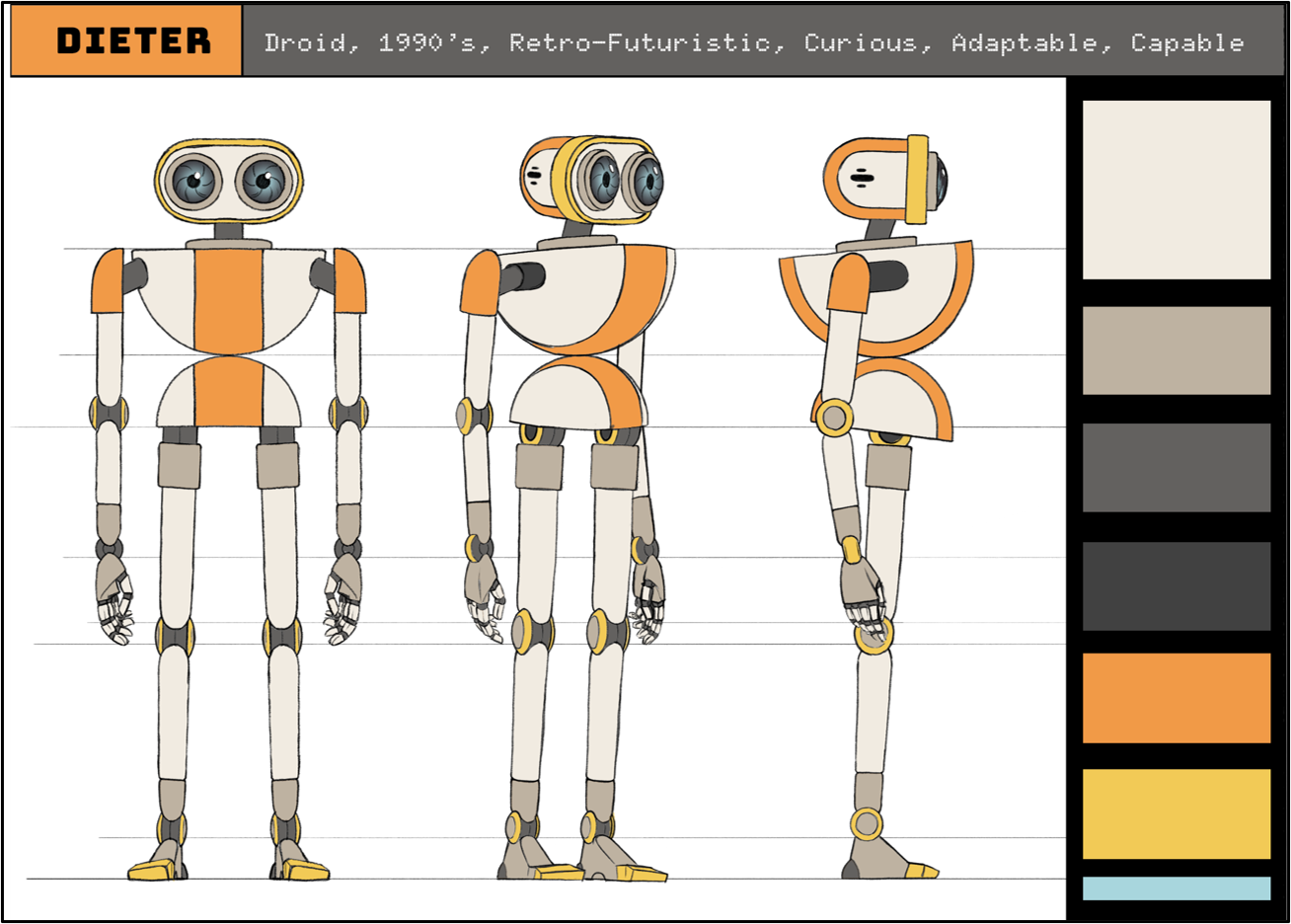
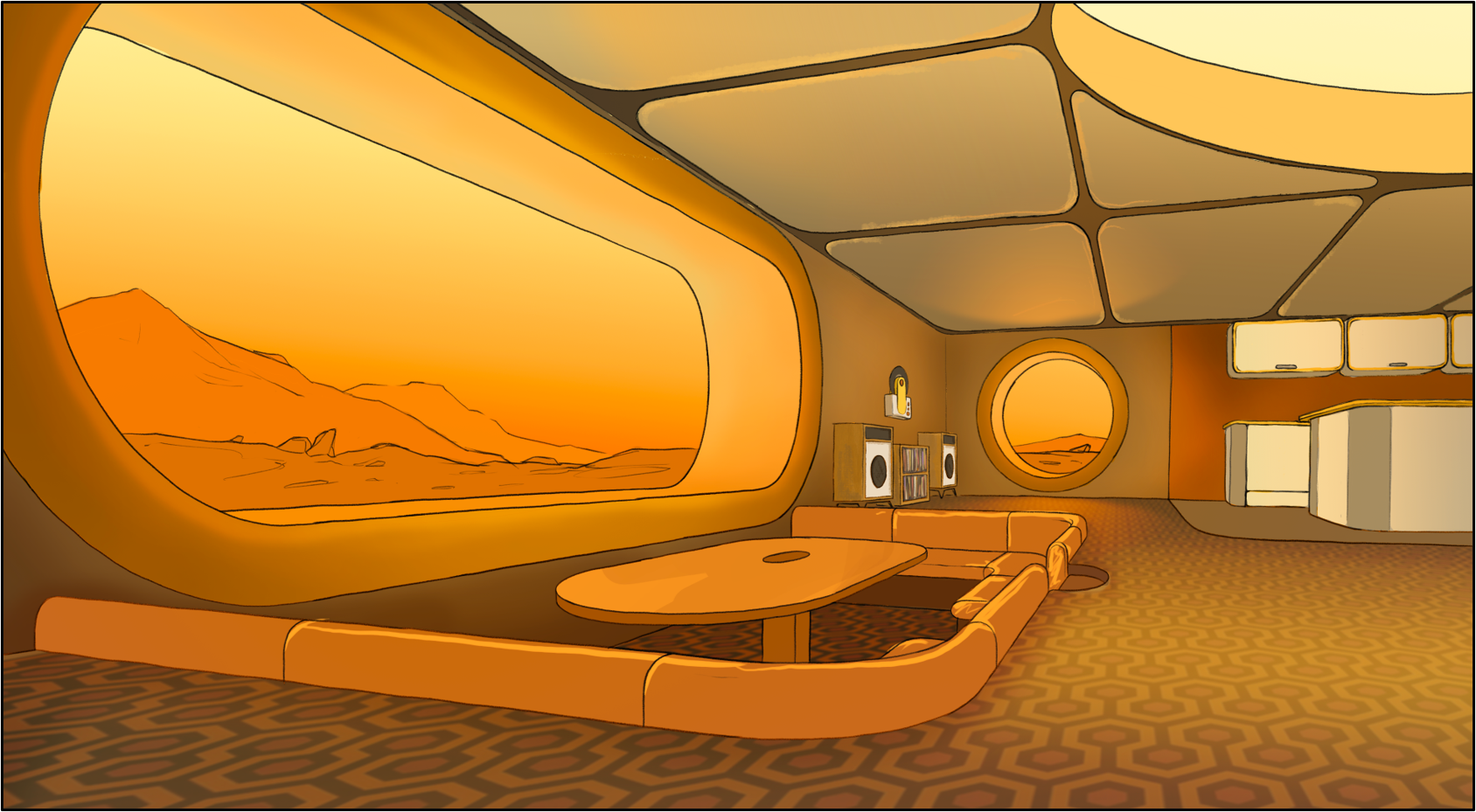
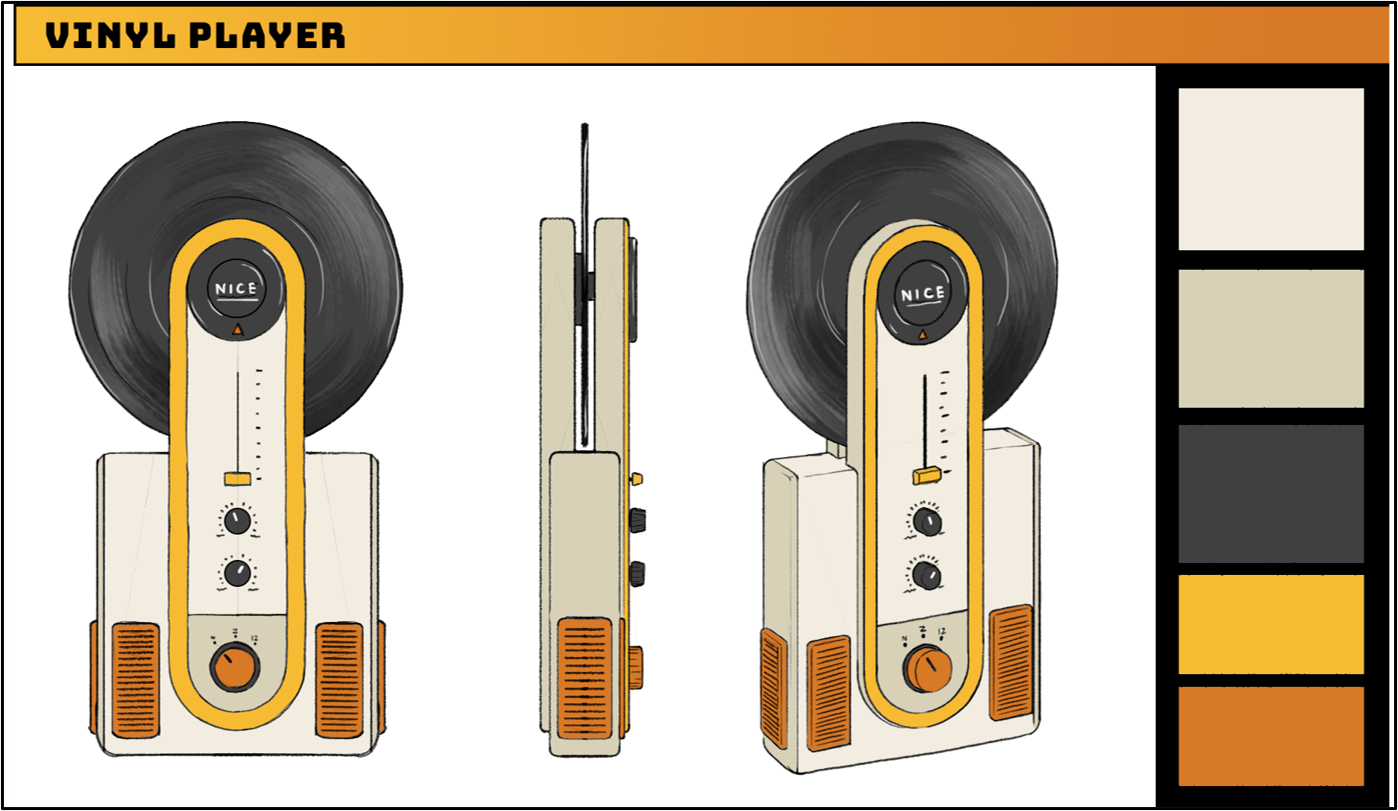
A visual treatment is a document that establishes how a project will look and feel before it is made. It brings your research, artwork, designs and notes together into one clear visual direction.
The goal is to gain practical experience establishing a visual direction for a project: its visual language and design, its cinematography and motion, and the technical approach behind it.


Each class opens with an approx 1hr lecture on one component of the visual treatment, from analysing inspiring work to concept art, motion and technical approach.
The rest of the session is studio and assisted lab time to develop your own project, with feedback as you go.
In the latter half of the module (weeks 3 and 5), as your ideas start to take shape, we will run group work sessions to share and critique work together.
Deliverables
A single Visual Treatment document for the Project (.pdf). It must contain the following:
Give yourself at the very least a half day to gather your work at the end of this module.
You will submit this via the Final Submission Folder on Teams.
It should also contain some of the following: